

When it comes to optimizing the frying process in commercial kitchens, two systems often come into consideration: Frylow and Magnesol. Both aim to improve oil quality and extend its lifespan, but they employ different technologies and methodologies.
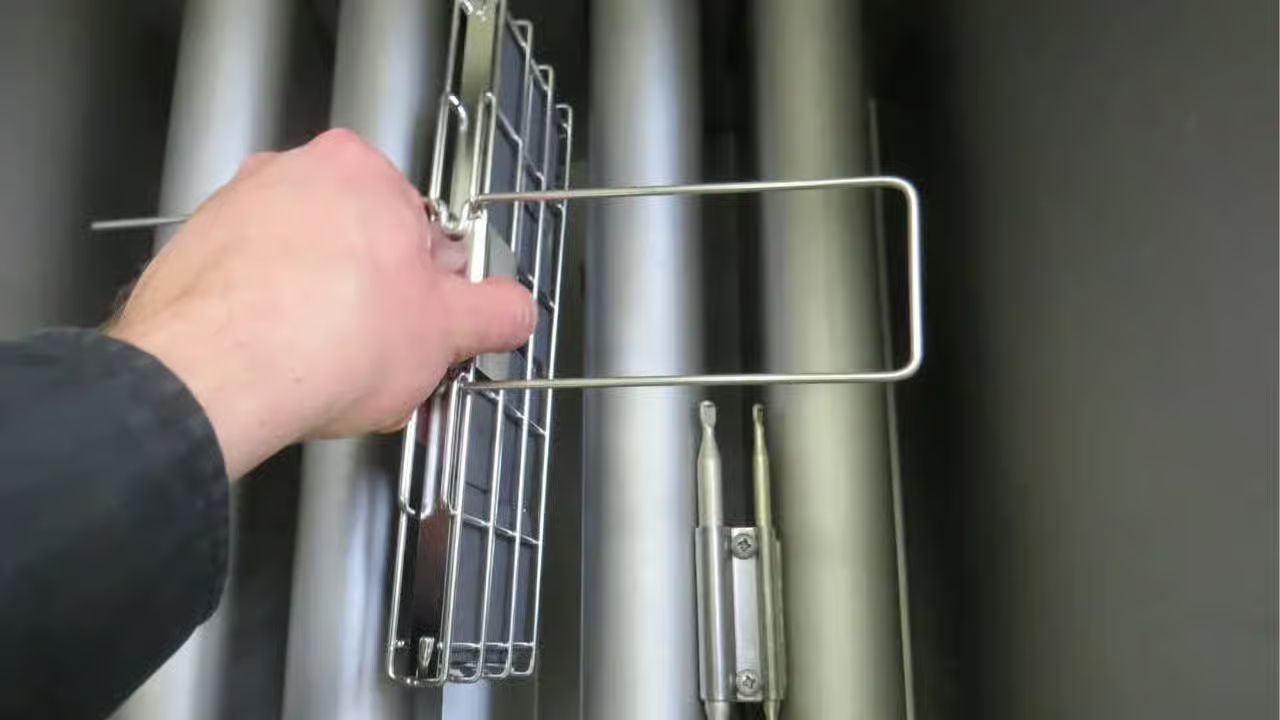
Frylow is a ceramic device that enhances the frying process by modifying the structure of cooking oil at a molecular level. It operates on the principle of reducing oxidation rates in oils, which is a primary cause of oil degradation. By doing so, Frylow helps maintain oil quality over extended periods, thereby reducing waste and lowering costs associated with frequent oil changes. The technology behind Frylow is relatively simple yet effective; it involves placing a small device into the fryer where it continuously works without requiring any additional maintenance or operational adjustments.
On the other hand, Magnesol functions as an adsorbent powder designed to remove impurities from cooking oil. This includes food particles, carbon deposits, and other contaminants that accumulate during frying. Magnesol acts like a filter medium when mixed with hot oil; it captures unwanted materials through adsorption processes which help in maintaining clarity and extending usability of the Frylow versus Magnesol oil systems‘s passive approach using molecular alteration, Magnesol requires regular application after each use or daily basis depending on frying volume.
In terms of effectiveness, both systems have their merits but cater to slightly different needs within kitchen operations. Frylow’s strength lies in its ability to slow down chemical reactions responsible for rancidity thus prolonging freshness naturally without additives or intensive labor inputs post-installation. Conversely, Magnesol excels at actively purifying oils by removing physical impurities ensuring cleaner end-product results especially beneficial where high particulate matter exists such as breaded items being fried frequently.
